
How to make Kokedama Moss Balls
Immerse yourself in the tranquil art of Japanese gardening with a DIY kokedama project that merges nature and creativity.

Originating from the Japanese words 'koke' meaning moss and 'dama' meaning ball, these enchanting botanical creations offer a unique twist on traditional potted plants.

I had an opportunity to learn this craft with some friends at a local garden store recently. I enjoyed it very much and thought you would enjoy it as well!
In this guide, I’ll share the steps to create your own Kokedama masterpieces which will bringing a touch of Zen to your living spaces.
Here's a step-by-step guide
Gather Your Supplies:
Small plants: Choose plants with compact root systems such as ferns, ivy, or small succulents.
Peat moss: Provides moisture retention and structure for the Kokedama ball.
Bonsai soil and potting mix: Ensures proper drainage and supports plant growth.
Sheet moss: Wraps around the root ball to hold everything together. Note: Living moss in a sheet form is best.
Twine or clear filament: Used to bind the moss and soil together.
Watering can or spray bottle: To hydrate the moss and soil during the process.
Prepare Your Materials:
Soak the moss in water until it's fully saturated and pliable.
Mix 1 part peat moss, 1 part bonsai soil, and 2 parts potting mix to create a workable medium. Add water if needed so the soil holds its shape when pressed into a ball.
Remove the Plant from Its Pot:
Gently remove the plant from its pot and shake off excess soil from the roots. Be careful not to damage the roots during this process.
Form the Kokedama Base:
Take a handful of the moistened peat moss and soil mixture and form a ball shape.
Gently crack open the soil ball and place the plant roots in the center of the ball.
Mold the mixture around the roots, gradually shaping it back into a compact ball.
Wrap the Root Ball with Moss:
Take a handful of soaked moss and wrap it around the root ball, covering it completely.
Press the moss firmly against the soil mixture to ensure it adheres securely.
Secure with Twine or Filament:
Wrap twine or filament tightly around the moss-covered root ball, crisscrossing in multiple directions to create a web-like pattern.
Tie off the ends securely, leaving a loop of string at the top for hanging if desired.
Water and Care:
Gently water the Kokedama ball until it's thoroughly moistened but not waterlogged.
Place the Kokedama in a bright, indirect light location, avoiding direct sunlight.
Monitor the moisture level regularly and water as needed, ensuring the moss remains damp but not soggy.
Water when needed by either placing the ball in a bowl of water to soak or spraying it with water until the moss is saturated.

When you are finished making your kokedama, place them on a shallow plate or bowl and add rocks or other nature inspired accessories.

I placed mine on our kitchen island and it makes a beautiful green focal point in the space.
Experiment with different plant varieties and arrangements to create your own unique Japanese style botanical sculptures.
Enjoy the process and the beauty of your creations!
Featured Product
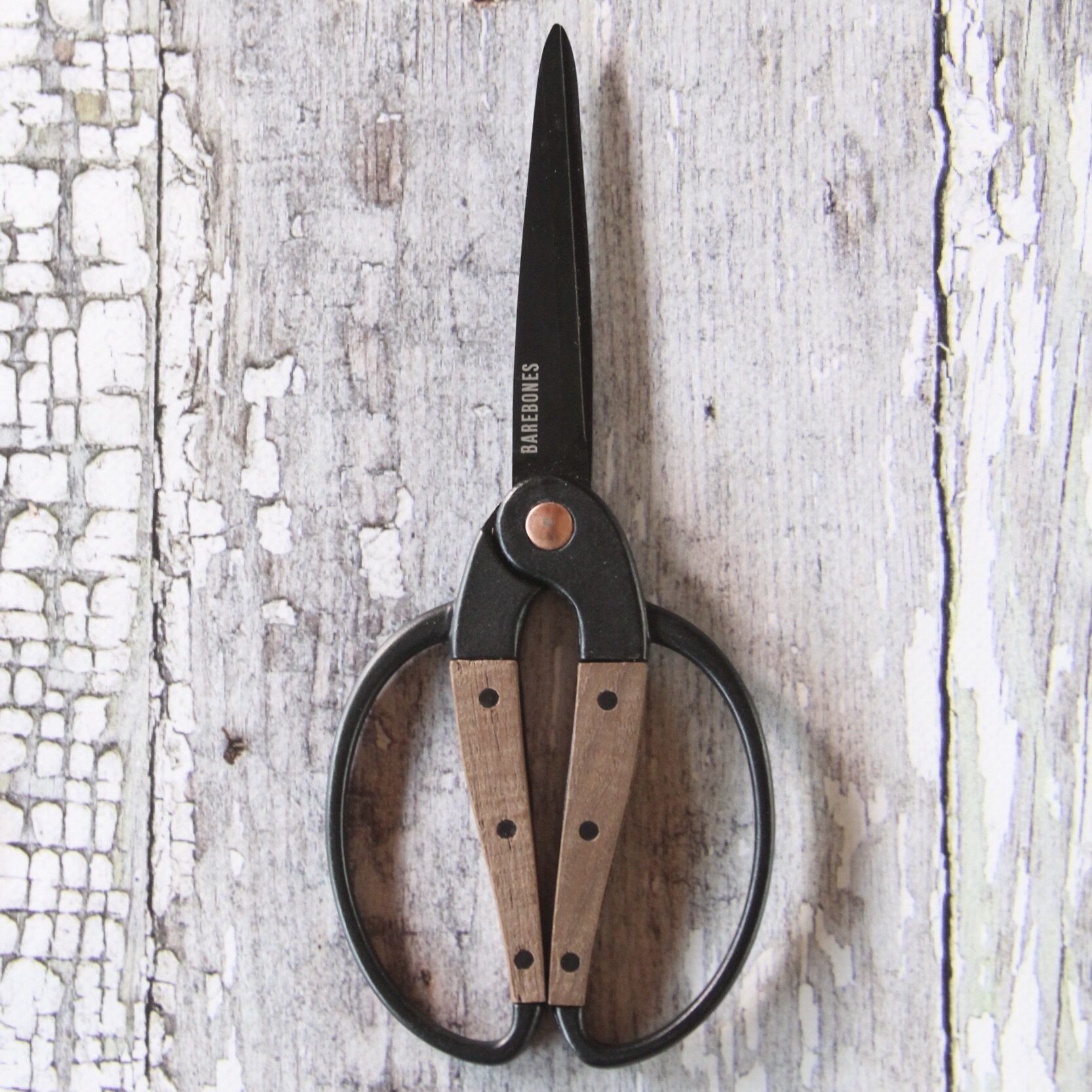
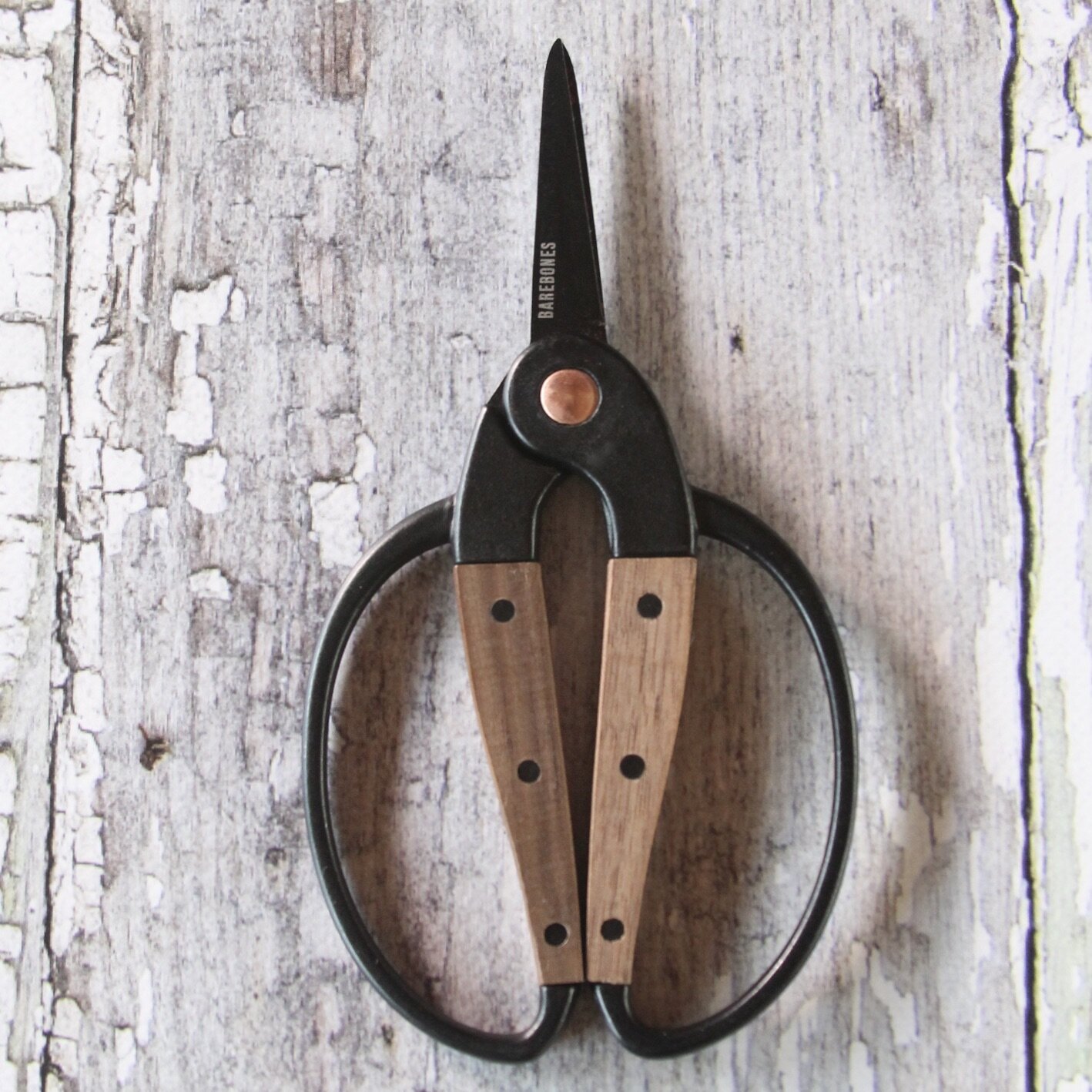
When we find a product that we really love…we just have to share it with our customers! The style and shape of these scissors will add a touch of elegance to your gardening and kitchen space. Use them for snipping herbs or deadheading flowers. The walnut handles add a bit of sophistication but don’t worry…they are durable! With their heat-treated stainless steel construction, ambidextrous grip, and rust resistance…they become a workhorse for any gardener or chef!
Small: 3.75 x 7.25 x.75 Large: 3.75 x 8.75 x.75
Can be sharpened as needed.
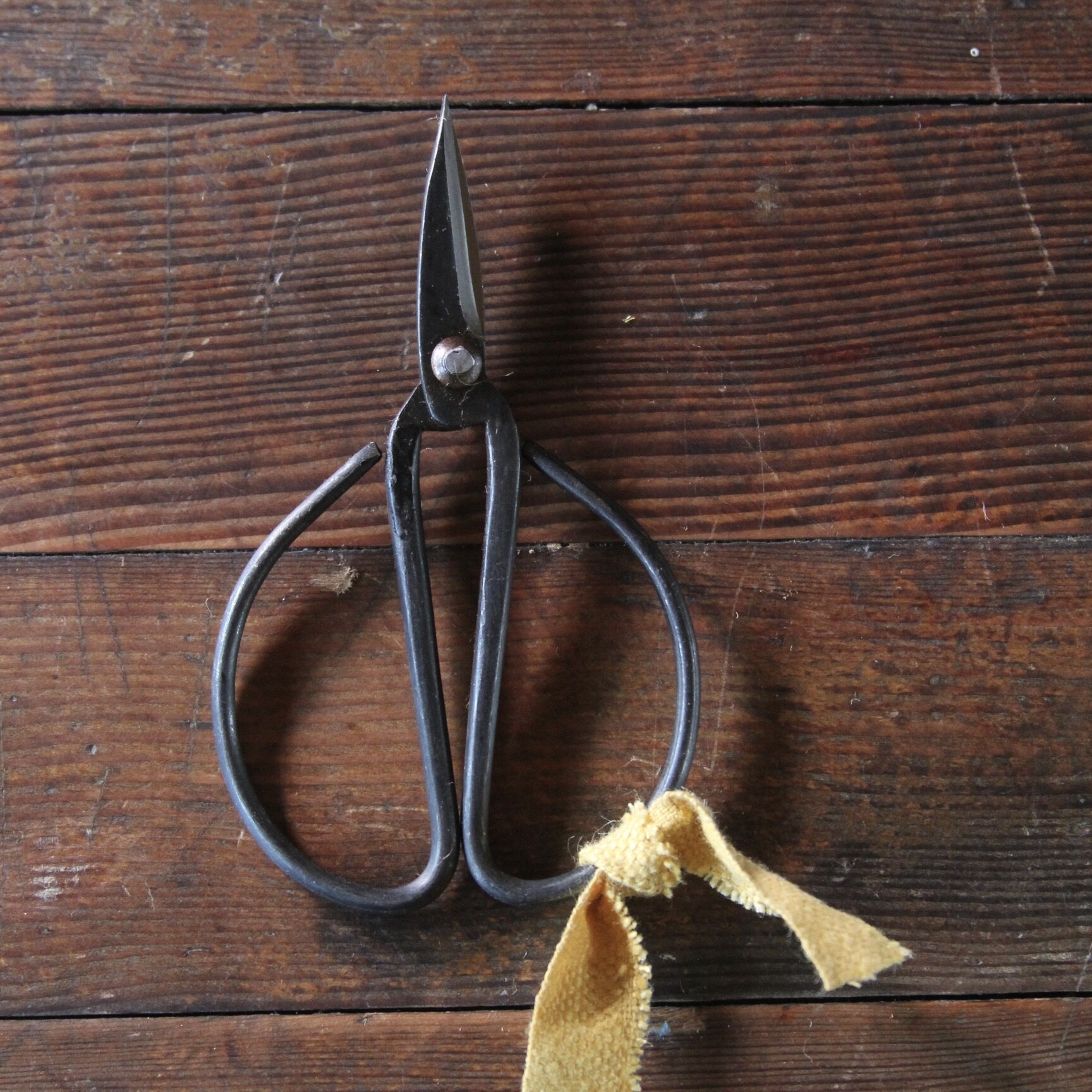
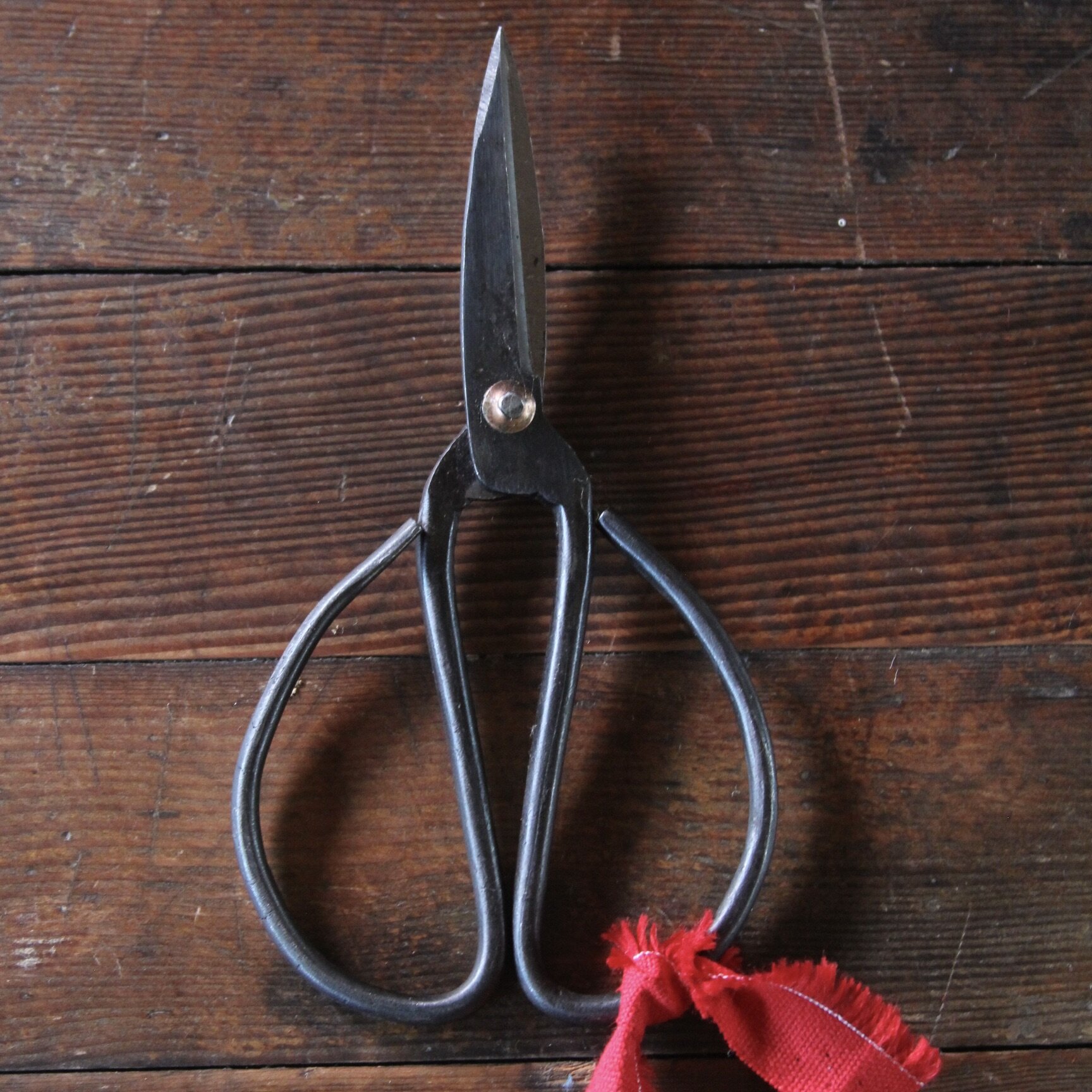
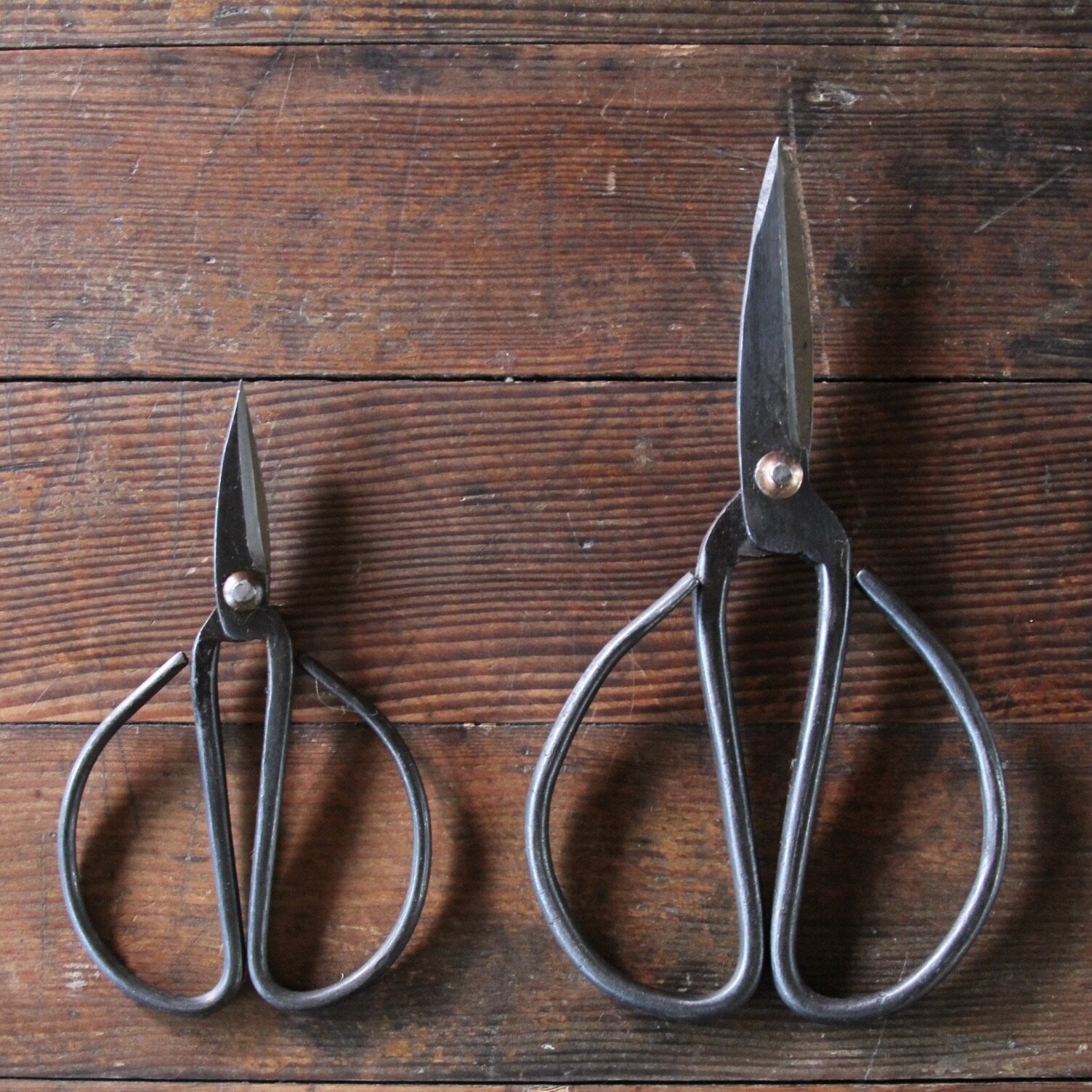
These utility shears are modeled after classic bonsai clippers and are hand-forged cast iron. They are fun for small projects indoor and outdoor. And…they are cute for displays when they are not in use and add a perfect element to photography!
Small: 4.25 x 2.5 Medium: 6.5 x 3